
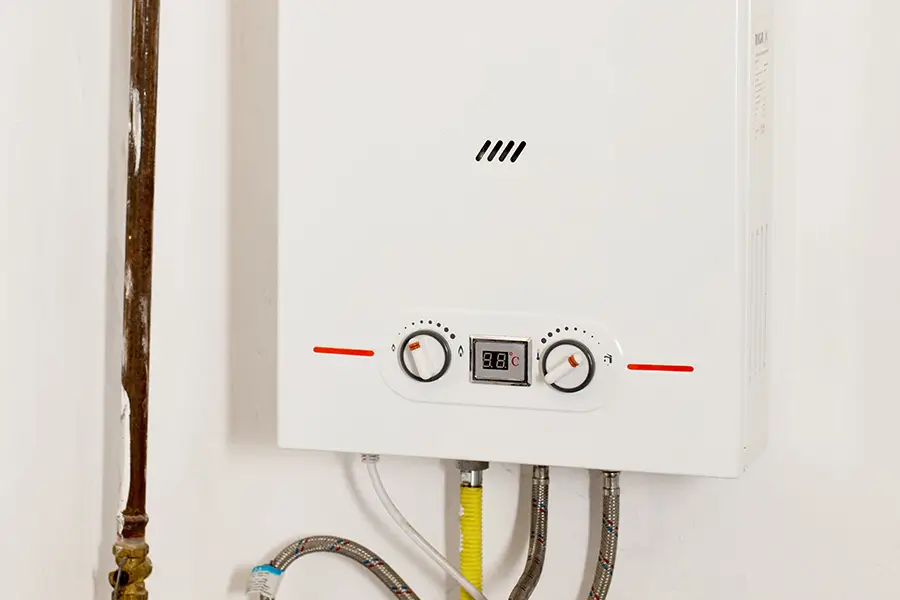
Like Goldilocks with her porridge, you’re trying to find the ‘just right’ energy-efficient water heater. It’s not just about saving the environment; it’s also about saving on those monthly bills. But let’s face it: between tankless, heat pump, or solar heaters, it can get a little confusing. What factors should you be considering? How do you decode those energy ratings? And most importantly, how much can you save in the long run? We’ll explore all this and more, giving you the knowledge to make an informed decision.
Understanding Energy Efficiency
To truly grasp the concept of energy efficiency, it’s essential first to understand how it’s measured and why it matters in the context of water heaters. Energy efficiency is gauged using a measurement known as the Energy Factor (EF). This figure reflects a water heater’s ability to convert energy into heat. A higher EF means more efficient energy use.
Why does this matter? Well, an energy-efficient water heater isn’t just good for the environment; it’s also good for your wallet. Less energy used means less money spent on power bills. Plus, it can help you serve your community by reducing strain on power grids and minimizing environmental impact.
Understanding EF is only the first step, though. It’s also important to consider the heater’s first-hour rating (FHR), which measures how much hot water it can produce in an hour. You’ll need to match this to your home’s demand. Finally, don’t forget to factor in installation and maintenance costs, which can impact long-term savings. Ultimately, it’s all about finding a balance that suits your needs and aligns with your values.
Types of Energy-Efficient Water Heaters
When you examine the various types of energy-efficient water heaters, you’ll find a range that includes tankless, heat pump, solar, and condensing models, each with its unique benefits and considerations.
- Tankless Water Heaters: These units heat water on demand, meaning they don’t waste energy keeping a tankful of water hot when you’re not using it. They’re also compact, which is great if space is at a premium in your home.
- Heat Pump Water Heaters: These heaters capture heat from the air or ground to heat water. They can be more energy-efficient than standard electric water heaters, especially in warm climates.
- Solar Water Heaters: These models harness the sun’s power to heat your water. They can be incredibly efficient, but their efficiency depends on your location and the amount of sunlight received.
Lastly, condensing water heaters are an excellent choice if your home uses significant natural gas. They’re the same size as conventional water heaters but capture flue gases that would otherwise escape, using them to heat the water.
Choosing the right energy-efficient water heater is vital in serving others more sustainably. Each type has strengths; matching those to your home’s needs is essential.
Decoding Energy Factor (EF) Ratings
Now that you’re familiar with the various energy-efficient water heaters, it’s important to understand how their efficiency is measured, specifically through Energy Factor (EF) ratings. The EF is a metric that compares the amount of hot water a heater produces per unit of fuel consumed over a typical day. The higher the EF rating, the more energy-efficient the heater is.
Decoding EF ratings isn’t as complicated as it sounds. Simply put, if a water heater has an EF rating of 1, it converts all its energy into heat. But there’s a catch. No heater is 100% efficient due to energy losses during operation. So, you’ll usually find EF ratings between 0.5 and 0.95 for most water heaters.
Here’s a tip: don’t let a high EF rating lure you into thinking you’ve found the ultimate energy-saving solution. While it’s an essential factor, it’s not the only one. A heater’s size, local climate, and hot water habits also play a role in energy efficiency and should be considered when choosing. Understanding EF ratings allows you to make more informed decisions, helping you serve your community better by promoting energy efficiency.
Evaluating Your Hot Water Needs
Before choosing an energy-efficient water heater, it’s essential that you accurately evaluate your household’s hot water needs. That way, you’ll secure a unit that meets your requirements without wasting energy or overspending.
- Determine your peak hour demand: List all the ways you use hot water (showers, baths, dishwashing, laundry) and the average water consumption for each. Then, calculate what you typically use during your busiest hour.
- Consider your household size: Larger families usually need more hot water, so factor in the number of people in your home. For instance, a family of four may require a higher capacity water heater than a two-person household.
- Think about the future: Will your hot water needs change? Maybe you’re planning to install a dishwasher or a whirlpool tub. Perhaps your family is expanding. These considerations can impact your choice of water heater.
The Role of Insulation
Understanding the role of insulation in a water heater’s efficiency can significantly impact your energy savings and the performance of your unit. Fundamentally, insulation reduces heat loss, keeping the water hotter for longer periods, thereby reducing the energy required to heat the water.
Now, let’s explore further. Water heaters typically have an insulation R-value, which indicates the effectiveness of the insulation. The higher the R-value, the better the insulation, and the greater your energy savings will be. An R-value of at least 24 is generally recommended for maximum efficiency.
You can further enhance the insulation of your water heater by using an insulating blanket or jacket. This extra layer of insulation can reduce heat loss by up to 45% and save you up to 9% in water heating costs.
Tank Vs. Tankless: What’s Better?
While insulation plays a significant role in your water heater’s efficiency, another factor you must evaluate when aiming for energy savings is whether to go for a tank or tankless water heater.
Both options have pros and cons, and it’s crucial to understand these differences to make an informed decision that aligns with your energy-saving goals and household needs.
- Tank Water Heaters: These are the traditional models that most people are familiar with. They store and heat water in a large tank, ready for use anytime. Their advantage is that they can supply hot water to multiple outlets at once. However, they can be less energy-efficient as they continuously heat the stored water, even when you’re not using it.
- Tankless Water Heaters: Also known as ‘on-demand’ heaters, they heat water only when needed, which can lead to significant energy savings. They’re more efficient but can struggle to supply multiple outlets simultaneously.
- Hybrid Water Heaters: These combine the best of both worlds. They have a small tank but also use a heat pump to heat water, making them highly efficient.
Installation and Maintenance Considerations
As you choose an energy-efficient water heater, it’s crucial to consider not just the type of heater but also the installation and ongoing maintenance requirements. Installation can vary greatly depending on the model you choose. Tankless systems, for instance, often require significant changes to your home’s plumbing and electrical systems, which can add to the upfront cost.
Maintenance should also be a key consideration. It’s imperative to remember that ongoing maintenance is part of owning any water heater. Regular inspections and timely repairs can extend the life of your unit and keep it running efficiently. With tankless systems, you’ll need to descale the heat exchanger annually, especially if you have hard water. Traditional tank systems, on the other hand, require draining and flushing to remove sediment buildup.
Don’t overlook the warranty either. This can provide you with peace of mind, knowing you’re covered if anything goes wrong. However, warranties often have conditions related to proper installation and regular maintenance.
In short, when choosing your energy-efficient water heater, installation and maintenance are just as important as energy efficiency.
Examining Long-Term Savings
Beyond the upfront costs, it’s essential to consider the long-term savings that energy-efficient water heaters can provide. This is where your investment truly pays off. So, let’s examine the potential savings in more detail.
- Lower Energy Bills: Energy-efficient water heaters use less energy, reducing monthly utility bills. Over time, these savings can add up considerably, offsetting the unit’s initial cost.
- Longer Lifespan: Energy-efficient models typically last longer than conventional ones. This longevity means you won’t be paying for a replacement as soon, providing further savings.
- Reduced Maintenance Costs: Energy-efficient water heaters are often better built, meaning fewer repairs and less maintenance. This can lead to considerable savings over the unit’s lifetime.
In short, an energy-efficient water heater is an investment that can save you money in the long run. It’s not just about helping the environment; it’s also about being financially savvy. When you choose an energy-efficient water heater, you’re not only serving your wallet, but you’re also serving the planet by reducing your carbon footprint. That’s a win-win situation worth considering.
Federal Tax Credits and Rebates
In addition to long-term savings, you can also take advantage of federal tax credits and rebates when you invest in an energy-efficient water heater. This is a significant benefit, as it can further offset the initial cost of your investment. The U.S. federal government recognizes the importance of energy conservation and rewards homeowners who make eco-friendly choices.
The Federal Energy Efficiency Tax Credit, for instance, applies to energy-efficient appliances, including water heaters. This credit can cover up to 10% of the cost, up to $500, or a specific amount from $50 to $300. Certain restrictions apply, so you must check the Energy Star website for the latest information.
Rebates are another financial incentive offered through utility companies. Many utilities offer rebates for energy-efficient appliances, including water heaters. The amount varies, but receiving a rebate of $100 or more is not uncommon.
Top Energy-Efficient Models Reviewed
Let’s explore some of the top energy-efficient water heater models today, each offering unique features and benefits to meet your household’s hot water needs.
- Rheem Performance Platinum Hybrid High-Efficiency Smart Tank Electric Water Heater: This model is renowned for its energy efficiency, potentially saving you hundreds of dollars each year. Its Wi-Fi connectivity allows you to monitor and control your water heater remotely.
- A.O. Smith Signature Premier Condensing Gas Tankless Water Heater: This gas-powered model offers continuous hot water and significant energy savings. Its self-diagnostic system guarantees safety and efficiency, making it an excellent choice for larger households.
- Stiebel Eltron Tempra Plus Tankless Electric Water Heater: This electric model is ideal for smaller households. It’s compact, easy to install, and provides on-demand hot water with its advanced flow control technology.
As you consider these options, remember that serving others starts at home. By choosing an energy-efficient model, you’ll save money and contribute to a more sustainable future. These top models offer a blend of efficiency, convenience, and technology, providing an excellent starting point for your energy-efficient water heater journey.

Conclusion
Did you know that an energy-efficient water heater can save you up to 25-50% on your water heating costs? That’s a significant chunk of change! Now that you understand the different types, the importance of EF ratings, insulation, and your own hot water needs, you can make an informed decision. Remember, the right water heater invests in long-term savings and energy sustainability.