
When your water heater fails, it can disrupt your daily routine. Knowing how to handle emergencies is vital, especially in Peoria, AZ, where hot water is indispensable. You might notice common issues like strange noises or leaks, but do you know the proper steps to take? Understanding safety precautions and quick troubleshooting can make a difference. Let’s investigate the smart tips that can provide you with fast relief when you need it most.
Common Water Heater Issues and Their Symptoms
Water heaters are essential for your home, providing comfort and convenience, but they can develop issues over time.
One common problem is inconsistent water temperature; you might notice that your hot water suddenly turns cold. This often indicates a faulty thermostat or heating element.
Another issue is strange noises, such as popping or rumbling, which may indicate sediment buildup in the tank.
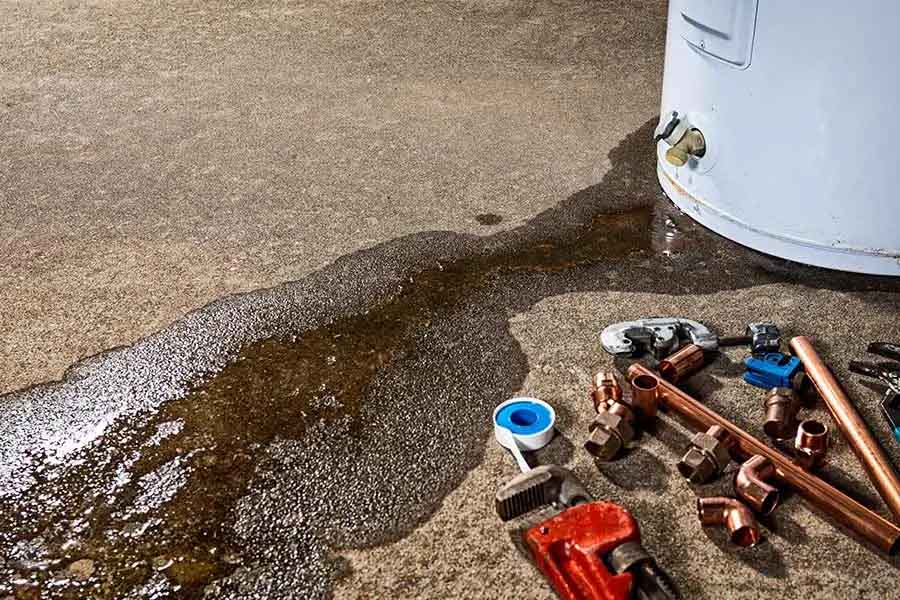
If you see water pooling around the base, it could indicate a leak and require immediate attention to prevent further damage.
Furthermore, if the water is rusty or has a metallic taste, it might indicate corrosion inside the tank.
Finally, if your energy bills spike unexpectedly, it could signify inefficiency, meaning your water heater isn’t working as it should. Regular water heater maintenance can help prevent some of these issues and extend your unit’s lifespan.
Recognizing these symptoms early can help you address problems before they escalate, ensuring your home stays comfortable and functional.
Essential Safety Precautions Before Starting Repairs
Before diving into any water heater repairs, it’s crucial to take a few essential safety precautions to protect yourself and your home.
First, verify the power supply is turned off—either unplug the unit or switch off the circuit breaker. If you’re dealing with a gas water heater, turn off the gas valve to prevent any leaks.
Next, let the water cool down; hot water can cause severe burns.
Make sure to wear protective gear, like gloves and goggles, to shield yourself from sharp objects and debris.
If you’re working in a tight space, keep your work area clear of any hazards to avoid tripping or falling.
Finally, keep a fire extinguisher nearby just in case of emergencies. Additionally, consider scheduling leak detection services to address any underlying issues that might lead to water heater problems.
Taking these precautions will help you tackle repairs safely and effectively, giving you peace of mind as you work.
Quick Troubleshooting Steps for Immediate Relief
If your water heater suddenly stops working, don’t panic; there are several quick troubleshooting steps you can take to find immediate relief.
First, check the thermostat setting. Confirm it’s set to a safe, efficient temperature, typically around 120°F.
Next, inspect the power supply. If you have an electric water heater, make sure the circuit breaker hasn’t tripped. For gas units, verify the pilot light is lit. If it’s out, follow the manufacturer’s instructions to relight it.
You should likewise check for leaks around the unit. If you notice any, turn off the water supply immediately.
Finally, listen for unusual noises; these can indicate sediment buildup or other issues. By following these steps, you might identify the problem and restore hot water quickly. Additionally, consider that regular maintenance can significantly extend the lifespan of tankless water heaters.
If these tips don’t resolve the issue, it may be time to contemplate professional help.
When to Call a Professional for Emergency Help
If you notice leaks, strange noises, or a persistent lack of hot water, don’t hesitate to call. These signs can indicate serious issues that require expertise. You should likewise reach out if you smell gas or see discolored water, as these can pose safety hazards. Ignoring these problems can lead to more extensive damage and costly repairs later on. Additionally, if your water heater is older than ten years and shows signs of wear, a professional assessment can help you avoid future headaches. Remember that water heater repair and replacement services are essential to maintaining your home heating system’s functionality.
Preventative Maintenance Tips for Longevity
To extend the lifespan of your water heater and guarantee it operates efficiently, regular maintenance is key.
First, check the temperature setting; keeping it around 120 degrees Fahrenheit can prevent overheating and save energy.
Next, flush your water heater annually to remove sediment buildup, which can reduce efficiency and cause corrosion.
Inspect the anode rod every few years and replace it if it’s notably corroded. This simple step can prevent rust in the tank.
Don’t forget to check the pressure relief valve to ensure it functions correctly; this helps prevent dangerous pressure buildup.
Finally, consider scheduling a professional inspection with Desert Water Plumbing and Rooter every few years. Their experienced team can spot potential issues before they become costly repairs, making sure your water heater remains reliable for years to come.
Prioritizing these preventative measures will save you time, money, and stress in the long run.
Conclusion
So, you’ve learned all these smart tips for emergency water heater repair, but let’s hope you never need ’em! Isn’t it ironic how we often take hot water for granted until it’s gone? Just remember, a little maintenance can save you from a chilly shower disaster. If things get too complicated, don’t hesitate to call in the pros—because nothing says “I’ve got it all under control” like asking for help when your water heater decides to play hard to get!