
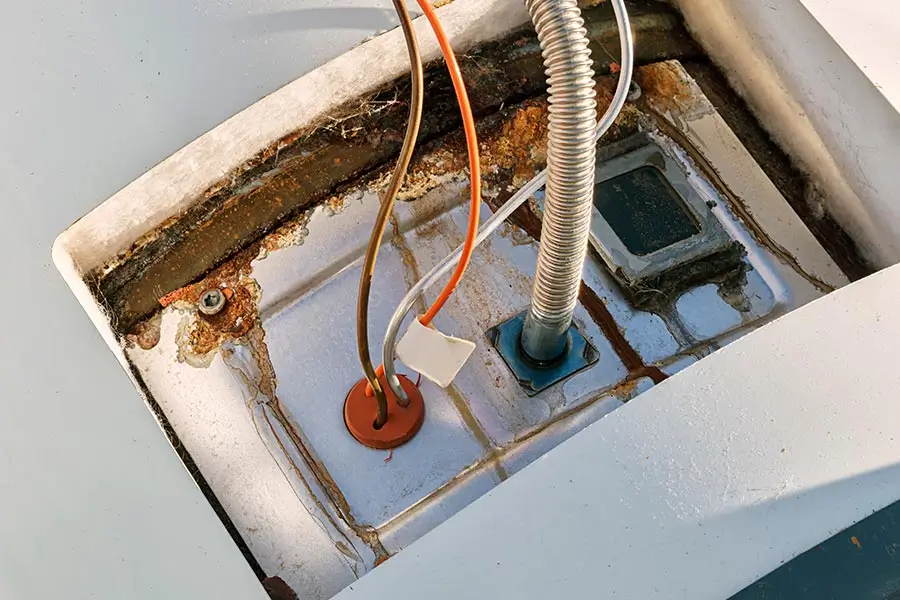
Regular water heater maintenance extends equipment life, reduces energy costs, and prevents unexpected failures — essential knowledge for Peoria, AZ homeowners dealing with some of the hardest water in the United States.
Key Points
- Water heaters in Peoria, AZ require more frequent maintenance than in most U.S. markets because of the Phoenix metro’s extremely hard water — high calcium and magnesium mineral content accelerates sediment buildup, anode rod depletion, and tank corrosion at a faster rate than in softer-water regions.
- According to the U.S. Department of Energy, water heating accounts for approximately 18% of a home’s energy use — a poorly maintained unit that works harder due to sediment buildup can push this figure significantly higher.
- Eight essential maintenance tasks covered in this guide: annual professional inspection, regular draining and flushing, pressure relief valve testing, thermostat maintenance, insulation, anode rod inspection and replacement, sediment buildup management, and corrosion and rust prevention.
- The anode rod is the most overlooked maintenance item — it should be inspected annually and replaced when more than half corroded; a water heater without a functioning anode rod can fail within just a few years.
- Flushing the tank annually is especially critical in Peoria, where hard water deposits sediment faster than in most markets — leaving it unflushed causes overheating, efficiency loss, discolored water, and accelerated tank failure.
- Knowing when to call a professional vs. handle maintenance yourself is an important distinction — consistent temperature problems, unusual noises, leaking water, and rusty water all warrant professional diagnosis rather than DIY attempts.
- Contact Desert Water Plumbing and Rooter for expert water heater repair, maintenance, and replacement throughout Peoria, AZ and the surrounding Phoenix metro area.
You’ve probably never given much thought to your water heater until it stops working. However, with regular maintenance, you can extend its lifespan, improve efficiency, and avoid dreaded cold showers. Let’s discuss some essential tips — from annual inspections to flushing the tank — that’ll help keep your water heater up and running.
Understanding Your Water Heater’s Components
Before you can effectively maintain your water heater, it’s vital to understand its components and how they function together. The primary elements include the tank, heat-out pipe, drain valve, temperature and pressure relief valve, and thermostat.
The tank, usually made of steel, holds and heats the water — it’s insulated to keep the water hot between heating cycles. The heat-out pipe allows hot water to exit the tank, and the drain valve near the bottom of the tank is used to empty it for maintenance or replacement.
The temperature and pressure relief valve is a safety device. If the pressure or temperature exceeds safe levels, this valve opens to relieve it, preventing potential explosions. The thermostat, typically attached to the side of the tank, controls the water temperature.
Understanding these components is vital for effective maintenance. If your water isn’t heating correctly, you might need to adjust or replace the thermostat. If the relief valve constantly releases water, it could mean your water pressure is too high. By knowing your heater’s components, you’ll be better equipped to diagnose and address issues efficiently.
Why Peoria homeowners need to know their water heater especially well: In the Phoenix metro’s extremely hard water environment, water heater components wear faster than in most U.S. markets. The anode rod depletes faster, sediment accumulates more rapidly on the tank floor, and heating elements scale up with mineral deposits. Being familiar with your water heater’s components helps you recognize early warning signs before they become failures. If you notice any unusual symptoms, Desert Water Plumbing and Rooter is available for professional diagnosis throughout Peoria.
Regular Inspection Schedule
Establishing a regular inspection schedule for your water heater is essential to its longevity and efficient performance. This vital task shouldn’t be overlooked — it’s not just about ensuring you’ve got hot water when you need it, but also about maintaining the system’s safety and efficiency.
You should aim for a professional inspection at least once a year. This is particularly important for older systems prone to wear and tear. However, don’t limit your vigilance to annual checks — also conduct your own regular inspections. Watch out for signs of corrosion, leaks, or unusual noises, as these could be indicators of a problem that needs immediate attention.
Inspection frequency for Peoria’s hard water: The Phoenix metro’s water hardness — measured at 200–300+ parts per million in many areas, among the highest in the nation — means annual professional inspection is a minimum, not a maximum. Homes with water hardness at the higher end of this range benefit from semi-annual professional inspection, particularly for units over five years old. Desert Water Plumbing and Rooter can conduct a plumbing inspection that covers your water heater alongside the rest of your plumbing system — catching developing issues before they require emergency service.
The Importance of Draining and Flushing
Draining and flushing your water heater helps keep it free from sediment buildup, enhancing its overall functionality and lifespan. Over time, minerals present in water — like calcium and magnesium — accumulate at the bottom of the water heater tank. If not flushed out, this sediment buildup can lead to numerous issues impacting your heater’s performance and serviceable life.
Here’s why draining and flushing matter:
- Prevents Overheating — excess sediment insulates the water from the burner, forcing it to work harder and potentially causing it to overheat
- Improves Efficiency — a clean water heater uses less energy to heat water, saving you money on energy bills
- Extends Lifespan — regular flushing can prevent premature failure and extend the life of your water heater
- Improves Water Quality — sediment can discolor your hot water or give it a foul smell; draining and flushing maintains water quality
- Prevents Noise — sediment buildup causes your water heater to make popping or rumbling noises; regular maintenance keeps it quiet
Flushing frequency in Peoria’s hard water environment: While most national recommendations suggest annual flushing, Peoria homeowners with standard hard water often benefit from flushing every 6 months. At 200–300 ppm hardness, mineral deposits accumulate at roughly twice the rate of national average water — meaning an annual flush that keeps a heater clean in a soft-water market may only be catching half the seasonal buildup in Peoria. Pairing annual flushing with a water softener significantly reduces the rate of sediment accumulation, extending the intervals between flushes and protecting the tank long-term.
Checking the Pressure Relief Valve
While ensuring the proper functioning of your water heater, it’s also essential to regularly check the pressure relief valve — a safety device that releases excess pressure from the tank, preventing potential explosions. This pressure control tool is often overlooked, but its role in maintaining a safe environment can’t be overstated.
First, locate the pressure relief valve at the top or side of the water heater tank — it should have a flip lever. Lift it gently; water should be released through the discharge pipe. If no water flows, or you notice a leak after testing, you’ve got a problem that needs addressing.
What to do if the valve test fails: A pressure relief valve that releases no water when tested, or that continues to leak after testing, should be replaced promptly — this is not a maintenance item to defer. A valve that won’t open cannot protect the tank from overpressure; a valve that won’t close indicates sediment or mineral scale has fouled the valve seat (common in Peoria’s hard water environment). Both conditions require professional attention. Contact Desert Water Plumbing and Rooter for valve replacement and overall water heater safety assessment.
Maintaining the Heater’s Thermostat
Getting acquainted with the thermostat and knowing how to maintain it is essential for efficient and safe operation. The thermostat controls the water temperature — if it’s not working correctly, it can lead to scalding hot water or water that’s not warm enough.
Practical steps to maintain your water heater’s thermostat:
- Regularly check the thermostat settings — the recommended setting is usually around 120°F; adjusting it too high can lead to burns, while setting it too low may not effectively kill bacteria
- Test the thermostat — use a multimeter to check if the thermostat is functioning correctly
- Replace faulty thermostats — if the thermostat fails the test, replace it; it’s a relatively inexpensive part but its function is critical
- Guarantee proper wiring — incorrect or loose wiring can cause the thermostat to malfunction; ensure the wiring is correct and firmly connected
- Clean the thermostat — dust and grime can interfere with the thermostat’s functionality; regularly clean it using a soft brush
Insulating for Energy Efficiency
Proper water heater insulation can significantly enhance energy efficiency, reducing monthly utility costs — a practical and cost-effective step for any Peoria household.
The type of insulation you’ll need depends on your water heater’s model and location. For most models, an insulation blanket or jacket is a good choice — ensure the insulation material wraps around the entire heater without obstructing any controls, valves, or burner compartments.
Before you start, measure the height and circumference of your heater to get the right size insulation blanket. If your heater is in a cooler place — like a garage — consider using a higher R-value insulation for better heat retention.
While insulating, don’t forget about the pipes. Insulating the first few feet of the hot and cold water pipes connected to the heater can prevent heat loss, increasing the overall efficiency.
Insulation in Peoria’s climate: While Peoria’s warm climate means water heater insulation is less critical for winter heat retention than in cold climates, garage-installed water heaters — common in Phoenix metro homes — can reach 130°F+ in summer. Extreme heat in the surrounding space actually forces water heaters to work harder to maintain set temperature, making insulation and pipe insulation beneficial year-round for Peoria homes.
The Anode Rod — Your Water Heater’s Lifesaver
The anode rod — often called the ‘lifesaver’ of your water heater — works tirelessly inside the tank to prevent rust and corrosion. It’s fundamentally a metal rod made from aluminum or magnesium, encased in a steel wire, that sacrifices itself by corroding instead of the steel tank. The anode rod’s purpose is to protect your water heater and extend its life.
Five key points to remember about the anode rod:
- The anode rod needs to be checked at least annually — if it’s more than half corroded, it’s time for a replacement
- Anode rods usually last about 3–5 years, varying depending on water conditions and usage
- If your water heater is not heating as efficiently as it once did, it could be due to a failed anode rod
- Always replace the anode rod with a new one made of the same material — mixing metals can cause rapid corrosion
- A water heater without a functioning anode rod can fail within just a few years
Anode rod lifespan in Peoria’s hard water: The national average anode rod lifespan is 3–5 years — but in Peoria’s high-hardness water, depletion at 2–3 years is common. Hard water’s high mineral content accelerates the electrochemical reaction that depletes the rod. Homeowners who invest in a water softener alongside their water heater typically see anode rod life extend toward the upper end of the range, reducing long-term maintenance costs.
Dealing With Sediment Buildup
Over time, sediment can accumulate at the bottom of your water heater, reducing its efficiency and lifespan. This buildup consists of minerals like calcium and magnesium — hard water deposits that, if left unchecked, cause your heater to work harder, increasing energy costs and potentially leading to damage.
To tackle sediment, shut off the electricity or gas and the water supply. Attach a garden hose to the drain valve at the bottom of the tank and direct the other end to a suitable drain or outdoors. Open the drain valve to let the water and sediment out — you should see a clear water flow once all the sediment is flushed out.
Be careful — the water can be extremely hot! Always take safety precautions, such as wearing gloves and ensuring the hose is secure.
A regular flush — perhaps once a year in most markets, every 6 months in hard water areas like Peoria — can help prevent sediment buildup, increasing your heater’s efficiency and extending its service life. Remember, maintenance is key to a well-functioning water heater.
Preventing Corrosion and Rust
To keep your water heater in top shape, it’s crucial to prevent corrosion and rust, which can significantly reduce its functionality and lifespan. Corrosion occurs when metal reacts with its environment — in the case of your water heater, this reaction could be with water, oxygen, or even certain types of bacteria.
Practical steps to protect your water heater from rust and corrosion:
- Regularly drain and flush your tank — this removes any sediment or minerals that could contribute to corrosion
- Inspect the anode rod yearly — this ‘sacrificial’ rod attracts corrosive elements, sparing the tank, but it needs replacement when considerably worn
- Use a water softener if necessary — hard water can speed up corrosion; Peoria’s water quality makes this especially relevant
- Maintain the appropriate temperature — too hot speeds up corrosion; too cold encourages bacterial growth; aim for around 120–140 degrees Fahrenheit
- Install a corrosion inhibitor — these products can slow the corrosion process
When to Call a Professional
Despite your best efforts at maintaining your water heater, there may come a time when professional intervention becomes necessary — particularly if you’re encountering persistent issues your maintenance efforts aren’t resolving, or if the heater’s performance has noticeably declined.
Consistent temperature problems — too hot, too cold, or fluctuating — could indicate a malfunctioning thermostat or heating element. Unusual noises like popping or hissing signal sediment buildup or pressure issues. Leaking water could result from a faulty valve or a corroded tank. Rusty water despite prevention efforts likely means the tank has corroded internally — which typically means replacement is the appropriate solution.
If you notice any of these signs, contact Desert Water Plumbing and Rooter for professional water heater repair throughout Peoria and the Phoenix metro. For units beyond repair, we also handle tankless water heater installation as a high-efficiency replacement option.
Key Takeaways
Water heater maintenance in Peoria, AZ requires more attention than in most U.S. markets because of the Phoenix metro’s extremely hard water (200–300+ ppm), which accelerates sediment buildup, anode rod depletion, and corrosion. The DOE confirms water heating accounts for approximately 18% of home energy use — a neglected unit consuming more energy to compensate for sediment insulation pushes this figure higher. Eight essential maintenance tasks cover the full scope of water heater health: annual inspection (semi-annual in hard water areas), draining and flushing (every 6 months recommended for Peoria), pressure relief valve testing, thermostat maintenance, insulation, anode rod inspection and replacement (every 2–3 years in hard water), sediment management, and corrosion prevention. A water softener paired with a water heater extends the life of both the anode rod and the tank itself — a worthwhile investment in Peoria’s hard water environment. Call a professional for consistent temperature problems, unusual noises, leaks, or rusty water — these symptoms require diagnosis rather than DIY repair. Contact Desert Water Plumbing and Rooter for water heater repair, maintenance inspections, and tankless water heater installation throughout Peoria, AZ.
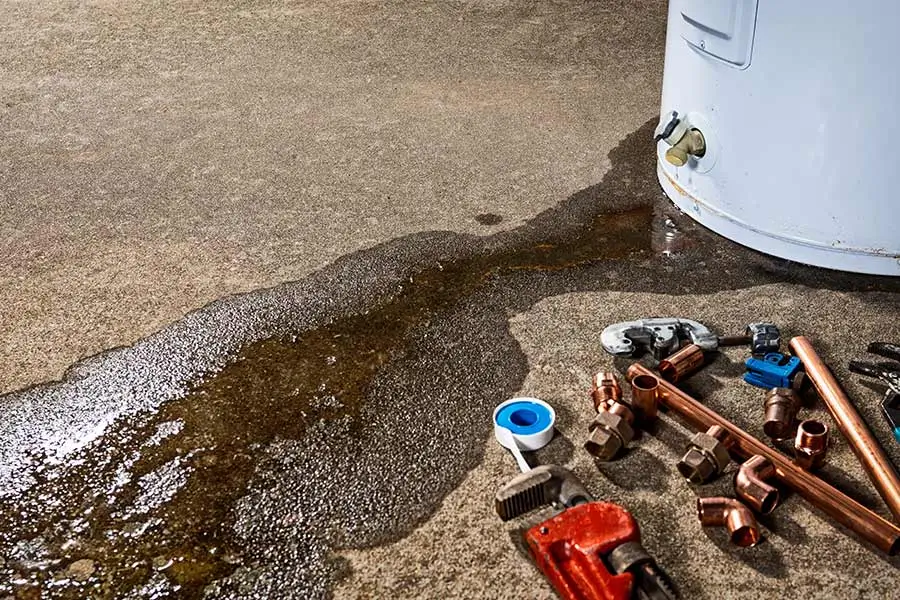
Properly Maintained, Your Water Heater Will Serve You for Years — Contact Desert Water
Like a faithful friend, your water heater needs care. By following these essential maintenance tips, you’ll guarantee it’s always ready to deliver. Regular checks, valve tests, and sediment flushing will keep it running at peak performance.
Don’t wait for issues to escalate — act early. When in doubt, call a professional. For expert water heater repair, water heater maintenance, and tankless water heater installation throughout Peoria, AZ, contact Desert Water Plumbing and Rooter today.