
Key Points
- Sewer pipe systems rely on gravity, sloped main lines, branch lines, and a vent stack working together — understanding the basics helps you spot problems early.
- Grease build-up is the leading cause of sewer blockages nationwide, followed by tree roots, foreign objects, and pipe damage.
- DIY methods like plungers, drain snakes, and baking soda/vinegar can clear minor clogs, but recurring or deep blockages usually call for professional equipment.
- Hydrojetting, video inspection, and rodding are the most commonly used professional techniques to clear stubborn sewer line blockages.
Regular inspections and mindful drain use are the most effective ways to prevent clogs before they start. A stubborn sewer blockage causing backflow into your Peoria, AZ home is one of the most stressful plumbing problems a homeowner can face. You’ve tried everything, from plungers to snakes, but nothing seems to work. This scenario is all too common for many homeowners, but there’s hope. Our extensive guide walks you through several effective sewer pipe cleaning techniques, both DIY and professional. It’s time you took control of your home’s plumbing health. But what if you could prevent such hassles in the first place? Stick around to discover how.
Understanding Sewer Pipe Systems
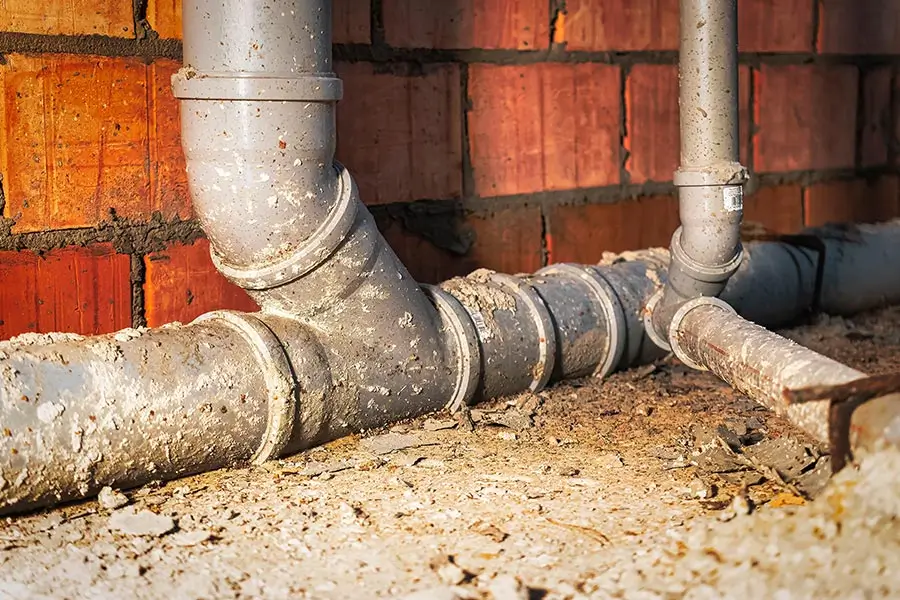
Diving straight into the nitty-gritty, it’s essential to understand that a sewer pipe system is a complex network of interconnected pipes designed to transport wastewater from your home to a public sewer or septic tank. This system is ingeniously engineered to use gravity for efficient drainage. The main sewer line, usually made from PVC or cast iron, connects your house to the public sewer. This line slopes downward, allowing gravity to do the heavy lifting.
Branch lines are smaller pipes that connect each plumbing fixture in your home to the main sewer line. These include sinks, toilets, showers, and washing machines. Each branch line runs separately into the main sewer line, ensuring your wastewater has a clear path out of your home.
The vent stack is another crucial component. A pipe leading to the roof allows sewer gases to escape and brings fresh air into the system. This maintains the necessary pressure balance for wastewater to flow smoothly.
Understanding this system is essential if you’re in the business of serving others’ plumbing needs. A thorough comprehension allows for effective problem identification and resolution, setting you apart as a knowledgeable and reliable professional.
Common Causes of Sewer Blockages
Before delving into solutions, it is crucial to understand the common causes that lead to sewer blockages. You’ll encounter a wide range, but some offenders appear more frequently than others.
Firstly, you’re likely to deal with grease build-up. This sticky substance coats the pipe’s inner walls, reducing the flow area and trapping other debris. Over time, it can lead to severe blockages that require professional drain cleaning to fully clear.
Secondly, tree roots are a common issue. They can infiltrate the sewer line through tiny cracks, expanding as they find a rich nutrient source. Eventually, they can fill the pipe entirely or crush it from the outside.
Thirdly, foreign objects or inappropriate items flushed down the toilet can clog the pipe. These include sanitary products, wet wipes, diapers, and even toys. They don’t break down like toilet paper and can create stubborn blockages.
Lastly, pipe damage, such as cracks, displacements, or collapses, can obstruct the flow. It could be due to ground movement, poor installation, or aging infrastructure.
Importance of Regular Pipe Maintenance
Understanding the significance of regular pipe maintenance can save you considerable time, money, and inconvenience in the long run, as it’s an effective preventive measure against the common causes of sewer blockages discussed earlier. Regular maintenance allows for the early detection of potential issues, such as tree root infiltration, pipe corrosion, or debris buildup. By addressing these issues proactively, you can avoid costly repairs and disruptions to your service.
Proper maintenance involves regular inspections with specialized equipment. High-resolution cameras can be inserted into the pipes to identify blockages, cracks, and other structural issues. A professional plumbing inspection can catch these issues long before they turn into a backup. Hydrojetting can also remove stubborn blockages and clean the pipes thoroughly. You should also consider pipe relining if your sewer pipes are older or have recurring issues, as this can extend their lifespan considerably.
DIY Sewer Pipe Cleaning Methods
For those willing to roll up their sleeves, several DIY sewer pipe cleaning methods can effectively tackle minor blockages and maintain the health of your plumbing system. Here are a few you might consider.
The first and easiest method is to use a plunger. A plunger can dislodge smaller blockages, particularly those near the surface. Apply firm, even pressure, and remember to cover the vent opening for maximum effectiveness.
Another method is using a plumber’s snake. This tool, also known as a drain auger, is designed to reach deeper into the pipe, breaking up stubborn clogs. When using a plumber’s snake, be sure to turn it clockwise to hook the clog and then pull it out.
If these mechanical methods don’t work, you might consider a homemade drain cleaner. A vinegar and baking soda mixture can help dissolve grease and soap buildup. Pour half a cup of baking soda and vinegar into the pipe, wait 15-20 minutes, and then rinse with hot water.
Professional Sewer Cleaning Techniques
While DIY techniques can be handy for minor issues, when it comes to more stubborn or recurring blockages, you’ll want to hire professionals who use specialized sewer cleaning techniques.
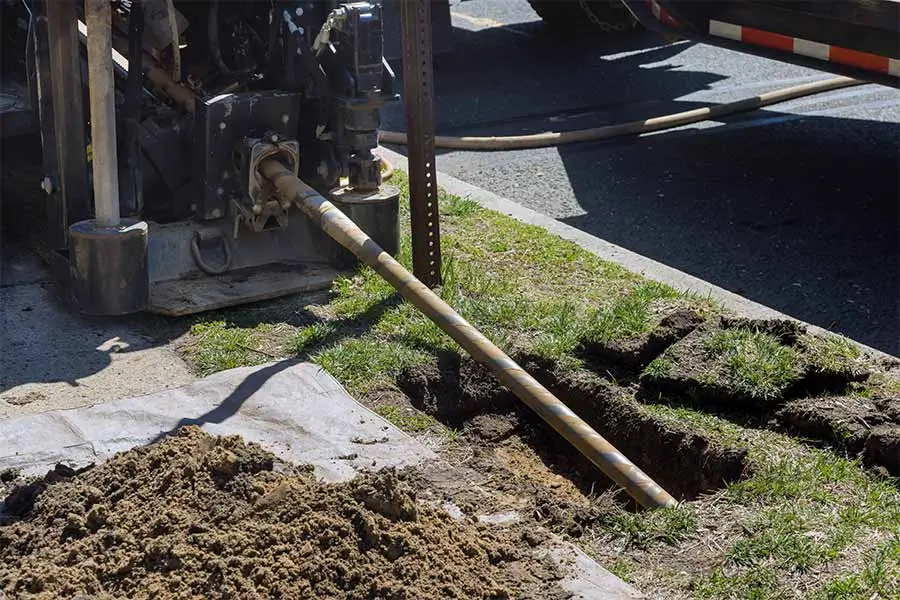
Professional sewer cleaners use hydrojetting, a process that uses high-pressure water jets to dislodge and remove obstructions. They also utilize snaking, a technique involving a coiled metal wire with a cutting device to break up clogs. Video inspection is another common technique in which a camera is sent down the pipe to identify the cause and location of the blockage.
For heavier blockages, professionals may use rodding, which involves a steel rod inserted into the sewer line to break up the blockage physically. In extreme cases, they might resort to pipe bursting, a method where a new pipe is pulled through the old one, simultaneously breaking the old pipe and replacing it. If your sewer line has reached that point, sewer line repair and replacement is usually the more permanent fix.
When hiring a professional, ascertain they’re equipped with the right tools and have extensive experience dealing with diverse blockage types. Remember, your goal is to effectively serve others by ensuring the sewer systems they rely on are clean and functional.
Safety Measures for Pipe Cleaning
When preparing to clean a sewer pipe, it’s vital to prioritize safety by wearing appropriate personal protective equipment (PPE), including gloves, goggles, and protective clothing. These measures protect you from harmful bacteria and discarded objects that may cause injuries.
Before initiating the cleaning process, verify that the area is well-ventilated. Harmful gases can accumulate in confined spaces, so it’s important to provide adequate ventilation to avoid harmful exposure. In case of inadequate natural ventilation, you might need to use mechanical ventilation methods, such as exhaust fans or blowers.
Next, secure the area. Use cones or barriers to keep unauthorized personnel away from the work zone. This mitigates the risk of accidental falls into open manholes and shields bystanders from potential hazards of the cleaning process.
Lastly, it’s significant to have a basic understanding of the sewer system layout. Knowing the direction of flow, pipe diameters, and locations of access points can prevent unnecessary risks.
Tools Required for Sewer Cleaning
Equipped with the right tools, sewer pipe cleaning becomes manageable, even with its inherent complexities. Let’s explore the tools needed to properly and efficiently clean sewer pipes.
A high-pressure water jetter is the first tool you’ll require. Operating at pressures up to 4000 psi, it can dislodge stubborn blockages. It’s also useful for removing sediment and mineral build-ups. However, remember to use it judiciously to prevent pipe damage.
Another essential tool is a plumber’s snake or drain auger. Its long, flexible cable can reach deep into pipes to break up or retrieve obstructions. Manual versions are adequate for smaller blockages, while powered versions can tackle tougher clogs.
Inspection cameras are crucial for diagnosing issues and verifying the results of your cleaning. These waterproof devices provide real-time video feeds, giving a clear view of the pipe’s interior condition.
Gloves, masks, and protective clothing are necessary for personal safety, as are safety glasses to protect your eyes from any unexpected debris.
Finally, you’ll need a bucket and rags for cleanup after the job.
With these tools, you’re well-equipped to serve your community by maintaining clean, functional sewer systems.
Chemicals and Eco-friendly Cleaning Solutions
In addition to your arsenal of tools, you’ll need to contemplate using chemicals and eco-friendly solutions for effective sewer pipe cleaning. Chemicals, particularly caustic or acid-based cleaners, can quickly dissolve grease, hair, soap, and other clogs. However, they’re not without drawbacks. They can corrode older pipes and pose health risks if improperly handled.
On the other hand, don’t overlook eco-friendly cleaning solutions. Enzyme-based cleaners, for instance, use bacteria or enzymes to eat away at clogs. They’re safer for both you and the environment, making them ideal for regular maintenance cleaning. They’re slower-acting than chemicals, but patience pays off with less damage to pipes over time.
You also have the option of high-pressure water jetting, an effective and eco-friendly method. It uses water pressure to dislodge clogs and clean the pipe walls, making it excellent for stubborn blockages.
Troubleshooting Common Cleaning Challenges
Despite your best efforts, you might encounter some common cleaning challenges that require adept troubleshooting skills. For instance, persistent clogs may indicate a blockage deep within the sewer line. You’ll need specialized equipment, such as a plumber’s snake, to tackle this issue.
While handling stubborn clogs, it’s important to remember that excessive force can damage the pipe. Always use the right amount of pressure when snaking the pipe. If you’re dealing with a particularly tough blockage, consider hydrojetting. This technique uses high-pressure water to break up obstructions but should be performed by trained personnel to prevent pipe damage.
Another common challenge is the buildup of sediment and debris over time. If regular cleaning methods aren’t effective, it might be due to hard-scale deposits inside the pipe. To remove these deposits, you’ll need to use a descaling tool or a rotary system with chains.
If the blockage recurs after cleaning, it may indicate a deeper structural issue. Tree roots invading the sewer line or a broken pipe could be the culprit. Unexplained damp spots or a soggy yard near the line can also point to a hidden leak, which a water leak detection service can pinpoint before it causes more damage. You’ll need a professional assessment and possibly pipe repair or replacement. Always remember the aim is to provide effective, safe, and efficient cleaning solutions.
Preventive Measures to Avoid Clogs
To keep your sewer lines free of blockages, it is vital to implement preventive measures to help ward off clogs before they become a problem. Proper maintenance and responsible use of your sewage system can prevent unnecessary stress, saving you time and money in the long run.
There are several vital measures you can take to avoid clogs:
Regular Inspections: Schedule routine checks of your sewer lines to identify potential issues early. This can include CCTV inspections, which allow for a detailed view of the pipe’s condition.
Mindful Usage: Be careful what you flush or wash down the drain. Avoid disposing of oil, grease, or bulky waste in the sink or toilet. These substances can build up over time and cause blockages.
Routine Cleanings: Regularly clean your pipes using safe, non-corrosive cleaning solutions. This can help dissolve minor clogs and prevent them from escalating.
Keeping Your Sewer Lines Flowing: When to DIY and When to Call a Pro
In summary, adopting effective sewer pipe cleaning techniques is essential. According to the U.S. Environmental Protection Agency, grease build-up is the single most common cause of sewer blockages, responsible for about 47% of reported cases nationwide. Hence, regular maintenance, using the right tools, eco-friendly solutions, and preventive measures can save you from costly repairs. Don’t forget being proactive is key to a smooth-running sewer system. Stay ahead of potential issues and keep your pipes flowing freely.
If a blockage keeps coming back, or you’d rather not tackle it yourself, Desert Water Plumbing and Rooter has been clearing sewer and drain lines for Peoria-area homeowners for over 20 years. Contact our plumbing team for a fast, honest assessment of your sewer line.