
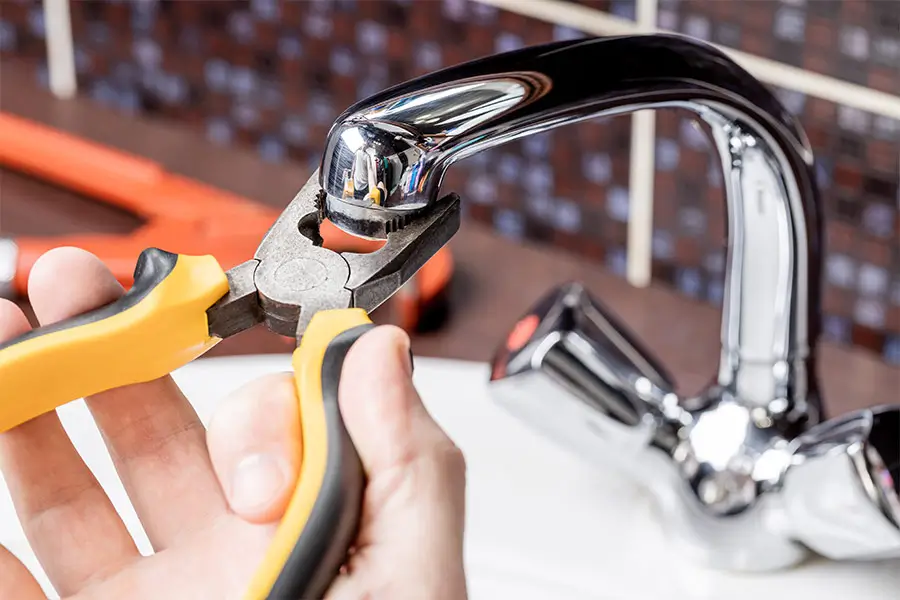
You’re about to tackle faucet installation in your home, right? From the get-go, knowing the type of faucet you’re dealing with and the tools needed for the job is essential. Shutting off your water supply is a must, as is the careful removal of the old faucet. Inspect the installation area, and remember that over-tightening can lead to damage when securing your new faucet. But hold on; there’s a lot more about successful faucet installation that you’ll want to know about—Have you ever wondered how to effectively test your new faucet or maintain it for long-term function and efficiency?
Understanding Faucet Types
When considering faucet types, it’s essential to understand that your choice can greatly impact not only the aesthetics but also the functionality of your bathroom or kitchen. The most common types include single-handle, dual-handle, pull-out, pull-down, and commercial-style faucets.
As the name suggests, a single-handle faucet has one handle that controls both hot and cold water. It’s a compact choice for smaller sinks. On the other hand, dual-handle faucets have separate handles for hot and cold water, providing precise temperature control. These are ideal for larger sinks and give your space a traditional touch.
Pull-out and pull-down faucets, popular in kitchens, feature a spray wand that can be pulled out or down from the spout. This style is perfect for tasks like rinsing dishes or cleaning the sink. Commercial-style faucets, or professional or chef’s faucets, have a high-arch spout and a multi-function spray head. They’re designed for heavy-duty use, and while they can be a striking addition to any kitchen, they require more space than other types.
Gathering Necessary Tools
Once you’ve chosen your faucet type, your next step is gathering the necessary installation tools. This is a critical step, as the right tools are essential to a successful and efficient installation. It’s not just about having a toolbox; it’s about having the right tools.
To begin with, you’ll need a basin wrench. This tool is designed specifically for the tight spaces found beneath sinks. It’ll allow you to quickly grasp and turn the nuts that secure your faucet to the sink. In addition, you’ll need an adjustable wrench. It’s useful for tightening connections and ensuring a leak-free installation. If you’re dealing with copper pipes, a tube cutter will be essential for clean and precise cuts.
A set of pliers will be useful for minor adjustments. Remember to have some plumber’s putty or silicone caulk at hand, as you’ll need it for sealing. A flashlight is always handy when working in dark, confined spaces. Finally, always keep a towel or rag nearby to clean up any minor spills or drips during installation.
Shutting Off Water Supply
Before you begin the installation process, shutting off the water supply is vital to prevent any unwanted leaks or spills. This step is essential and mustn’t be overlooked, regardless of your confidence in your plumbing skills. The main water valve is typically located in your basement, crawl space, or outside near the street. If it’s a lever-style valve, turn it 90 degrees to the off position. Turning a wheel-style valve clockwise will shut off the water.
Once you’ve turned off the main valve, open a faucet on the lowest level of your home to drain the remaining water from the pipes. This also helps to relieve any pressure in the system. Before proceeding, it is good practice to verify that the water is indeed off. You can do this by turning on a faucet in the area where you’ll be working. If no water comes out, you’ve successfully shut off the supply.
Removing the Old Faucet
Now that you’ve successfully shut off the water supply, it’s time to focus on removing your old faucet. This process involves careful handling to prevent damage to your sink or countertop.
Firstly, you’ll need to disconnect the water lines. These are attached to the underside of the faucet and may require a wrench to loosen. Remember, the hot water supply is typically on the left, and the cold water supply is on the right.
Next, loosen the nuts holding the faucet in place. This is often done with a basin wrench, a specialized tight-space tool. Once you’ve removed these, you should be able to lift the faucet straight up and out from the sink.
Take care when removing the faucet to avoid scratching or denting the sink. If it’s stuck, don’t force it. Instead, apply some penetrating oil around the base and let it sit for a few minutes before trying again.
Preparing the Installation Area
After removing the old faucet, it is essential to thoroughly clean and inspect the installation area, making sure there is no lingering debris or damage that could hinder the new faucet’s installation. This preparation phase is as significant as the installation because it lays the foundation for a smooth, trouble-free process.
- Clean the Area: Use a gentle, non-abrasive cleaner to remove grime or build-up from the sink surface. This step also helps to reveal any hidden damage or issues.
- Inspect for Damage: Look for cracks, chips, or deformities in the sink or countertop. These issues may need to be addressed before proceeding with the faucet installation.
- Check Plumbing Connections: Examine the water supply lines and shutoff valves for leaks, corrosion, or wear. It’s easier to replace faulty components now than after the new faucet.
- Confirm a Level Surface: Use a level to verify that the countertop or sinktop is even. If it isn’t, you may need to make adjustments to guarantee that your new faucet sits correctly and functions effectively.
Installing the New Faucet
With your workspace prepared and the plumbing connections checked, it’s time to plunge into the heart of the project: installing your new faucet. Begin by threading the faucet’s tailpieces through the holes in the sink. You’ll find that the faucet should fit snugly in its assigned place. If it doesn’t, make sure you’re aligning it correctly. Once it’s in place, attach the washers and mounting nuts to the tailpieces underneath the sink. These are essential pieces that guarantee your faucet stays firmly in place.
Next, connect the supply lines to the faucet. They’re usually color-coded, with hot typically being red and cold being blue. These lines deliver water from your home’s plumbing system to your faucet. Confirm you’re attaching the right supply line to the corresponding tailpiece. If your faucet comes with a pull-out sprayer, don’t forget to connect the hose. This step usually involves threading the sprayer hose through the faucet and attaching it to the faucet body underneath the sink.
Securing the Faucet Properly
Have you confirmed that your faucet is secure and immovable? This is an essential step in the installation process. A properly secured faucet guarantees it won’t wobble or leak, providing a smooth, efficient water flow. Here’s a simple guide to help you secure your faucet properly:
- Check the Stability: After placing the faucet in the designated hole, verify it’s firmly seated. When you gently shake it, there shouldn’t be any movement or wobbling.
- Tighten the Mounting Nuts: You’ll find mounting nuts that secure the faucet to the countertop under the sink. Tighten these nuts until they’re snug. Remember not to overtighten, as this could damage the faucet or countertop.
- Use a Basin Wrench: If the space is too tight to use your hand, a basin wrench can be a lifesaver. This tool is designed for tight spaces and can help you effortlessly secure the mounting nuts.
- Double-check Your Work: Give your faucet another slight shake to verify it’s secure. If there’s still movement, retighten the nuts.
Reconnecting the Water Supply
Once your faucet is securely installed, it’s time to reconnect the water supply to guarantee a smooth and efficient flow. The first step is reattaching the water supply lines. You’ll need to connect them to the corresponding inlets on your new faucet. The hot water supply line typically connects to the left inlet, while the cold water supply line connects to the right inlet.
Use an adjustable wrench to tighten the connections, but be careful not to overtighten, as this can damage the lines or the faucet. Initial hand tightening, followed by a quarter turn with the wrench, usually provides ample secureness.
Next, you’ll need to reconnect the main water supply. This involves turning the water supply valves back on, typically under your sink. Turn the valves counterclockwise to restore the water flow.
Testing Your New Faucet
After reconnecting the water supply, it’s time to test your new faucet to confirm it’s functioning correctly. You’ve put in the work; let’s ensure it pays off. This process involves a few vital steps essential to your faucet’s overall performance and longevity.
Here’s a simple 4-step guide to help you through this process:
- Check for leaks: Turn on the water supply and observe the faucet and connected pipes carefully. You’ve likely got a leak if water is dripping or seeping from anywhere.
- Test the water flow: Open the faucet and let the water run. The flow should be steady and consistent. Any sputtering or inconsistent flow could indicate a problem.
- Check the temperature control: Test the hot and cold water separately to verify the control works correctly.
- Evaluate the faucet handle: It should turn smoothly without resistance. If it’s difficult to move or feels loose, you may need to adjust.
Maintenance Tips for Faucets
Now that you’ve tested your newly installed faucet, it’s time to consider the ongoing maintenance required to keep it in prime working condition. Regular maintenance not only guarantees peak performance but also prolongs the lifespan of your faucet.
Firstly, it’s vital to clean your faucet regularly. Use a non-abrasive cleaner and a soft cloth to avoid scratching the finish. Don’t neglect the aerator – the part where the water comes out. Unscrew it every few months and clean out any debris to maintain a steady water flow.
Secondly, check for leaks periodically. A small drip can save significant amounts of water over time, and ignoring it can lead to bigger problems. If you spot a leak, it’s often a sign that the washer needs replacing. You’ll find this inside the faucet handle.
Lastly, verify to winterize outdoor faucets before the first freeze. Disconnect any hoses and turn off the water supply to prevent pipes from freezing and bursting.

Conclusion
Like a well-oiled machine, your faucet needs regular attention to perform at its best. Think of it as a trusty steed in your home’s cavalry, requiring a keen eye and proper care. You’ve learned how to masterfully saddle up a new faucet, from understanding its breed to ensuring hydration. Remember, a happy faucet means a happy home. So, ride on, knowing you’ve got the reins of faucet installation held firmly in your hands.